
Call Us 405.691.4444
How Quality Craftsmanship Impacts Long-Term Home Value and Comfort
May 19, 2026In today’s housing market, homeowners are increasingly recognizing that the true value of a home is not defined only by its size, layout, or location, but by the quality of its craftsmanship. In 2026, as construction costs rise and long-term ownership becomes a more intentional financial decision, craftsmanship has become one of the most important factors influencing both home value and everyday comfort.
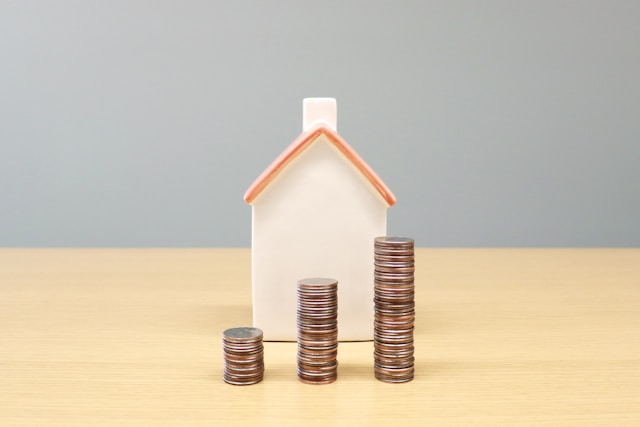
Quality craftsmanship refers to the precision, skill, and attention to detail applied throughout every stage of home construction. It includes everything from the foundation and framing to the finishing details that shape how a home looks, feels, and performs over time. A well-crafted home does more than meet basic building standards, it delivers long-term durability, efficiency, and livability.
Builders such as Dub Stone Construction represent this growing emphasis on thoughtful construction practices, where homes are designed not only to be visually appealing but also structurally reliable and comfortable for families over the long term.
The Relationship Between Craftsmanship and Home Value
Home value is often associated with location and market conditions, but construction quality plays an equally important role in long-term property performance. A home built with strong craftsmanship retains value better because it experiences fewer structural issues and requires less corrective maintenance over time.
Poor workmanship can lead to issues such as uneven settling, roofing failures, plumbing problems, and insulation gaps. These issues not only reduce comfort but also significantly decrease resale value. On the other hand, a well-built home maintains its integrity for decades, making it more attractive to future buyers.
In practical terms, craftsmanship protects the homeowner’s investment. When a home is constructed with precision and durable materials, it ages more gracefully, which directly contributes to stronger resale potential and market competitiveness.
Structural Quality as the Foundation of Longevity
The foundation of any home determines how well it will perform over time. Quality craftsmanship ensures that foundational work is done correctly, with proper grading, reinforcement, and moisture protection. When this stage is executed poorly, even the most beautiful home can develop long-term structural issues.
Key structural components influenced by craftsmanship include:
- Foundation stability and soil preparation
- Framing alignment and load distribution
- Roofing integrity and weather resistance
- Waterproofing and drainage systems
When these elements are carefully executed, the home becomes significantly more resistant to environmental stress and natural wear. This is especially important in regions with varying weather conditions, where expansion, contraction, and moisture exposure can affect long-term durability.
How Craftsmanship Reduces Long-Term Repair Costs
One of the most practical benefits of quality construction is reduced maintenance. Homes built with careful attention to detail experience fewer recurring problems, which lowers long-term ownership costs.
Common issues that are minimized through good craftsmanship include:
- Water leaks and moisture intrusion
- HVAC inefficiency and uneven airflow
- Electrical inconsistencies
- Poor insulation performance
- Flooring separation or structural shifting
When construction is rushed or poorly executed, small issues often turn into expensive repairs over time. In contrast, well-crafted homes are designed to function efficiently for many years with minimal intervention.
This long-term reliability allows homeowners to allocate less money toward repairs and more toward improving their lifestyle.
Craftsmanship and Everyday Comfort
Comfort is one of the most immediate and noticeable benefits of quality construction. A well-crafted home feels different to live in because every system works together more efficiently and consistently.
Comfort improvements driven by craftsmanship include:
Stable indoor temperatures
Proper insulation and air sealing reduce drafts and temperature fluctuations, making the home more comfortable year-round.
Better noise control
High-quality materials and precise installation reduce sound transfer between rooms and from outside sources.
Improved airflow and ventilation
Well-designed HVAC systems ensure consistent air circulation and balanced temperature distribution.
Smooth functionality of home features
Doors close properly, floors remain level, and fixtures operate as intended, contributing to a more seamless living experience.
These factors may seem subtle individually, but together they significantly enhance day-to-day comfort.
The Importance of Finishing Details
While structural work forms the backbone of a home, finishing craftsmanship determines its final feel and visual cohesion. The precision applied to finishing details often distinguishes a standard home from a high-quality one.
Examples of finishing craftsmanship include:
- Clean alignment of trim and molding
- Proper installation of cabinetry and countertops
- Even flooring transitions
- Smooth wall finishes and paint application
- Accurate placement of fixtures and hardware
These details shape how polished and intentional a home feels. Even small inconsistencies can affect the perception of quality, while precise finishes elevate the entire living experience.
Energy Efficiency and Construction Quality
Energy efficiency is closely tied to craftsmanship. Even the best materials will underperform if they are not installed correctly. Proper sealing, insulation placement, and system integration are essential for reducing energy waste.
Homes built with strong craftsmanship typically experience:
- Lower monthly utility costs
- Reduced strain on heating and cooling systems
- More consistent indoor temperatures
- Improved overall energy performance
This not only benefits homeowners financially but also improves comfort and environmental efficiency over the long term.
Why Custom Homes Benefit Most from Craftsmanship
Custom homes place a greater emphasis on craftsmanship because they are designed with unique layouts, features, and structural requirements. Unlike standardized construction, custom builds require a higher level of precision to ensure that design intent translates into functional living space.
In custom homebuilding, craftsmanship affects:
- Floorplan functionality and flow
- Integration of design elements
- Structural adaptation to unique layouts
- Energy system performance
- Long-term flexibility of the home
A well-executed custom home feels intentional in every detail, while poor craftsmanship can undermine even the most thoughtful design.
Craftsmanship and Resale Performance
When homeowners decide to sell, craftsmanship becomes one of the most influential factors in buyer perception. Even if buyers cannot immediately identify construction quality, they can often feel its impact through the overall condition and presentation of the home.
Homes with strong craftsmanship typically:
- Attract more buyer interest
- Sell faster in competitive markets
- Require fewer price reductions
- Pass inspections with fewer issues
Buyers tend to associate visible quality with unseen reliability. A well-built home signals long-term stability, which increases confidence during the purchasing decision.
Long-Term Financial Impact
Although homes built with higher craftsmanship may require a slightly greater initial investment, they often deliver stronger financial returns over time. This is due to reduced maintenance costs, fewer system replacements, and higher resale value.
Over the lifespan of the home, homeowners benefit through:
- Lower repair frequency
- Increased energy efficiency savings
- Greater property appreciation
- Reduced renovation needs
This long-term value makes craftsmanship one of the most important considerations in residential construction decisions.
The Shift Toward Quality-Driven Homebuilding
In 2026, the housing industry is shifting away from purely cost-driven construction and moving toward quality-focused homebuilding. Homeowners are increasingly prioritizing durability, efficiency, and comfort over short-term savings.
This shift reflects a broader understanding that a home is not just a purchase—it is a long-term living environment that should support daily life for decades.
Builders like Dub Stone Construction reflect this evolution by focusing on homes that emphasize structural integrity, thoughtful design, and long-lasting performance.
Conclusion
Quality craftsmanship is one of the most important factors influencing both the value and comfort of a home. It affects everything from structural durability and energy efficiency to daily livability and long-term resale performance.
A well-crafted home is not just built to look good, it is designed to perform, endure, and support the people living in it for many years. As homeowners continue to prioritize long-term value in 2026, craftsmanship will remain at the center of smart homebuilding decisions.
Ultimately, investing in quality craftsmanship means investing in a home that delivers lasting comfort, financial stability, and peace of mind.
ADDRESS:
15800 South Western Ave. Oklahoma City, OK 73170
PHONE:
405.691.4444





What's New
-

New Website
We here at Dubstone Construction are pleased to announce the launch of our ne...