
Call Us 405.691.4444
What Is a Split Bedroom Floor Plan? Benefits for Modern Families
March 30, 2026A split-bedroom floor plan creates distinct separation between the primary bedroom suite and secondary bedrooms by positioning them on opposite ends of the home. The central living spaces, including the kitchen, dining area, and great room, occupy the middle section of the layout, acting as a natural buffer zone between sleeping quarters.
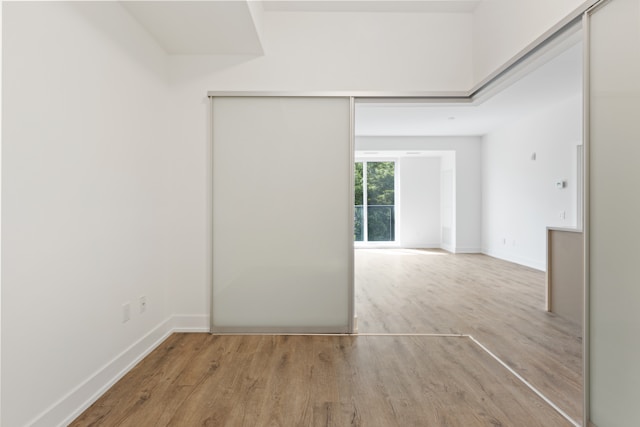
This architectural design maximizes privacy through strategic room placement, offering key split floor plan advantages for modern living arrangements. You’ll find the primary suite typically positioned for ideal views and quiet, while secondary bedrooms cluster together on the opposite side. The configuration enables multiple activities to occur simultaneously without disruption – parents can enjoy their evening routine while children study or play in their wing. This deliberate spacing also supports various household scenarios, from multi-generational living to home office setups.
How separating bedrooms creates distinct zones within a home layout
Separating bedrooms through strategic placement creates three distinct functional zones within split-bedroom layouts: a private primary suite zone, a communal living zone, and a secondary bedroom zone. Each zone serves a specific purpose while maintaining the home’s overall flow and connectivity.
The primary suite zone provides you with a secluded retreat, complete with private bathroom facilities and often additional amenities like walk-in closets. Your home’s central area forms the communal living zone, where kitchen, dining, and gathering spaces promote family interaction. The secondary bedroom zone accommodates children’s rooms, guest quarters, or home offices, offering flexibility for various living arrangements.
This zoning approach, a key split-bedroom floor plan benefit, enables effective sound isolation and guarantees privacy while preserving the open-concept feel modern homeowners desire.
Privacy and Noise Reduction Benefits for Modern Families
When modern families evaluate split-bedroom floor plans, they’ll find significant acoustic and privacy advantages that directly address common household challenges. The split-bedroom layout creates natural sound barriers by positioning shared living spaces between primary and secondary bedrooms, effectively minimizing noise transfer during different sleep schedules or activities.
You’ll appreciate how this design supports multi-generational living arrangements while maintaining personal space. The physical separation allows parents to enjoy evening conversations without disturbing sleeping children, while teens can study or socialize without impacting adults’ rest. This thoughtful arrangement also provides buffer zones that reduce sound transmission from bathroom facilities and morning routines. The strategic placement of bedrooms on opposite sides of the home guarantees that daily activities in one zone don’t compromise the peace and privacy of another.
How distance between bedrooms improves sleep quality and daily comfort
Physical distance between bedrooms in a split-floor design directly correlates to improved sleep patterns and enhanced daily comfort levels. In a split-bedroom layout, you’ll experience fewer sleep disruptions from family members’ different schedules, alarm clocks, or nighttime activities. The strategic separation minimizes sound transmission through walls and hallways, creating acoustic buffers that protect your rest cycles.
This intentional spacing also reduces the impact of varying temperature preferences, as thermal zones become more distinct and manageable. You’ll find that morning routines flow more smoothly when household members can prepare for their day without interference. The buffer zone of shared living spaces between bedrooms acts as an effective sound barrier, allowing you to maintain your ideal sleep environment regardless of others’ activities.
Flexible Living for Families, Guests, and Remote Work
Three key aspects make split-bedroom floor plans ideal for modern living arrangements: family privacy, guest accommodation, and home office potential. With this flexible home design for families, you’ll find that the separation between primary and secondary bedrooms creates distinct zones that serve multiple purposes. You can transform a secondary bedroom into a dedicated home office without disrupting household sleep schedules, or use it as a guest suite that offers visitors their own private space. The layout’s versatility supports various family dynamics, from parents with young children to multi-generational living arrangements. The buffer zone of shared living spaces between bedroom areas maintains family connection while allowing independent activities, making it easier to balance work, rest, and social needs under one roof.
How split layouts support multi-use spaces and evolving household needs
Split-bedroom layouts excel at adapting to your household’s changing needs through strategic space allocation. The separation of sleeping quarters creates distinct zones that you can repurpose as your lifestyle evolves. You’ll find that secondary bedrooms can convert seamlessly into home offices, craft rooms, or study areas while maintaining privacy from the primary suite.
The split-bedroom layout’s inherent flexibility allows you to designate spaces for specific functions without disrupting the home’s flow. Converting rooms becomes straightforward since the floor plan already provides natural sound barriers and separate entrances. Whether you’re accommodating aging parents, establishing a home-based business, or creating dedicated spaces for hobbies, the design supports multiple concurrent activities. This adaptability guarantees your home remains functional through different life stages and changing family dynamics.
Central Living Spaces That Balance Connection and Separation
While separating private spaces effectively, the central living area in a split-bedroom design serves as the home’s communal hub, strategically positioned between the divided sleeping quarters. This intentional home layout with private master bedroom creates a natural flow where you’ll find shared spaces like the kitchen, dining room, and family room forming a bridge between separate wings.
The central zone’s positioning maximizes both connectivity and acoustic buffering, allowing you to maintain family interaction while preserving individual privacy. You’ll appreciate how this arrangement enables simultaneous activities – children can study or play in their wing while adults entertain guests in the common area, without disrupting each other. The design’s thoughtful balance guarantees that shared spaces remain accessible yet don’t compromise the distinct zones established by the split configuration. The efficient layout also supports energy efficiency through better climate control zoning and reduced heating and cooling needs.
How shared areas act as a functional hub between private zones
Located between private sleeping quarters, shared living spaces function as a dynamic operational core that facilitates both circulation and daily activities. These central zones serve as intermediate areas in your home design for family privacy, creating natural buffer zones between bedrooms while maintaining household connectivity.
You’ll find that the shared hub typically encompasses the kitchen, dining room, and living areas, strategically positioned to optimize traffic flow and social interaction. This arrangement allows family members to gather in communal spaces while preserving the sanctity of private zones. The layout enables you to maintain clear sight lines throughout main living areas while ensuring bedroom wings remain secluded. By positioning high-traffic zones centrally, you’re creating an efficient design that supports both collaborative activities and individual retreat spaces.
Conclusion
Through careful analysis of modern home design trends, it’s clear that split-bedroom floor plans represent a significant value proposition in today’s real estate market. The strategic separation of private spaces enhances both functionality and resale potential, making these layouts particularly attractive to diverse buyer demographics.
When you choose a split-bedroom layout from Dub Stone Construction, you’re investing in a design that adapts to evolving lifestyle needs. The versatility of this floor plan accommodates various living arrangements, from growing families to multi-generational households, while maintaining privacy and harmony. By incorporating proven design principles with quality craftsmanship, these homes optimize space utilization and create lasting value. Whether you’re planning for current needs or future resale, the split-bedroom configuration delivers enduring benefits that align with contemporary living standards.
ADDRESS:
15800 South Western Ave. Oklahoma City, OK 73170
PHONE:
405.691.4444





What's New
-

New Website
We here at Dubstone Construction are pleased to announce the launch of our ne...